


Buffalograss hydroseeding — the native Texas lawn option most homeowners never consider
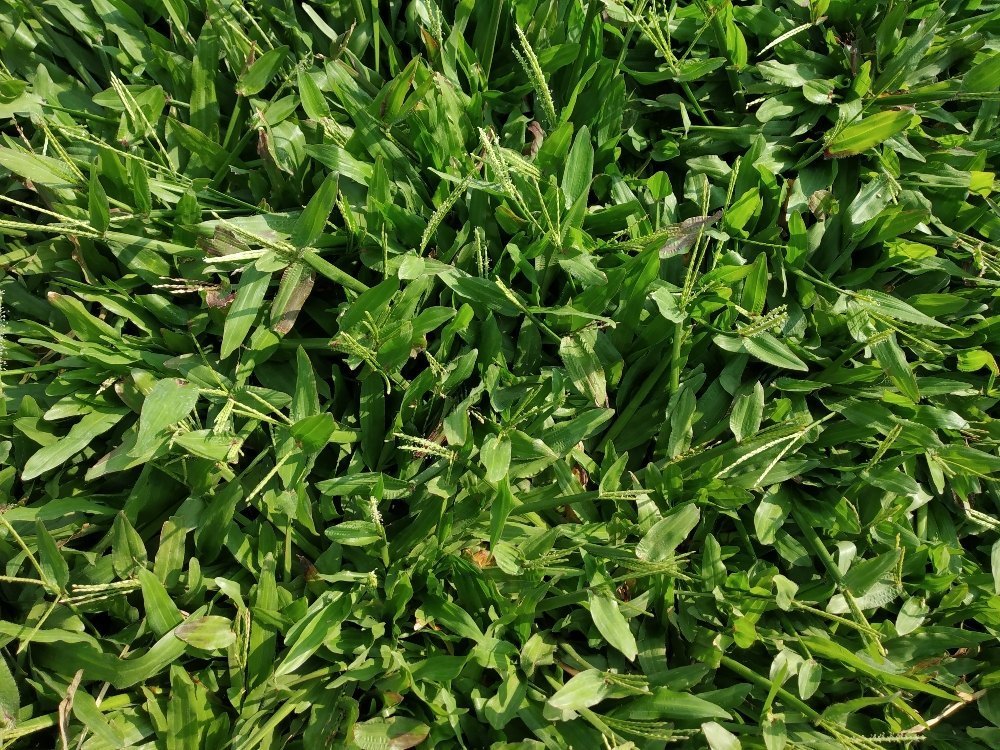
Most DFW homeowners who are tired of fighting their lawn through every Texas summer have never seriously considered Buffalograss. They know Bermuda. They have tried Fescue in the shade zones. But Buffalograss — the native prairie grass that evolved on the same black clay soils that underlie the Dallas Fort Worth metroplex — rarely comes up in the contractor conversations or the home improvement store advice that shapes most residential grass decisions in this market.
That absence from the standard conversation is not because Buffalograss performs poorly. It is because the contractors and retailers who dominate the lawn conversation make more money selling the higher-maintenance options that require more ongoing inputs. Buffalograss once established requires almost none of those inputs — and that low ongoing maintenance profile is exactly what makes it worth understanding for the specific homeowners whose situation it fits.
What Buffalograss actually is
Buffalograss is a warm-season perennial grass native to the Great Plains — including the specific region that North Texas sits in. It evolved on the same expansive black clay prairies that define the DFW area over thousands of years of hot dry summers periodic drought and the specific soil conditions of this region. That evolutionary history is what makes it uniquely adapted to conditions that imported grasses manage with intensive intervention.
The grass produces a fine-textured blue-green sod that grows low — typically four to six inches without mowing — with a soft curling blade texture that is distinctly different from the upright blade of Bermuda or the coarser texture of Fescue. Established Buffalograss spreads through stolons — above-ground runners that root at nodes as they contact the soil — eventually producing the continuous sod coverage that characterizes a mature stand.
The root system of established Buffalograss is one of its most remarkable characteristics. Deep roots reaching six feet or more have been documented under appropriate conditions — a root depth that makes established Buffalograss genuinely independent of supplemental irrigation in most Texas years. The grass accesses moisture from a soil volume that no irrigation system can match and it manages dry periods that push Bermuda into dormancy without visible stress.
Who Buffalograss is right for
Before covering the establishment process it is worth being specific about who Buffalograss is and is not right for — because it is not the right answer for every lawn situation and mismatching the grass to the wrong situation produces disappointment just as planting Bermuda in shade does.
Buffalograss is right for homeowners who want genuine drought independence — a lawn that manages Texas summers without regular supplemental irrigation after establishment. If water conservation irrigation cost reduction or the practical reality of limited irrigation infrastructure is a primary consideration Buffalograss delivers what no other common residential grass can match.
Buffalograss is right for homeowners who can accept a different aesthetic from traditional manicured turf. The blue-green color and low-growing texture of Buffalograss is attractive but distinctive — it does not look like Bermuda or Fescue and the homeowner who wants the classic dense dark-green lawn appearance should be honest with themselves about whether the Buffalograss aesthetic fits their preference.
Buffalograss is right for homeowners with full sun. It needs at least six hours of direct sun — similar to Bermuda — and does not perform in shade conditions. For shaded yards or sections Fescue remains the appropriate choice regardless of the appeal of Buffalograss drought tolerance.
Buffalograss is right for low-traffic areas or moderate-traffic residential lawns. It does not recover from heavy traffic as quickly as Bermuda and is not the right choice for high-traffic areas like the section of the backyard where dogs run constantly or the strip of lawn that receives daily foot traffic from the driveway to the door.
Buffalograss is not right for homeowners who want the densest darkest green manicured lawn appearance. Bermuda in full sun with appropriate fertilization and irrigation produces the premium turf density appearance that Buffalograss does not replicate. For homeowners whose primary lawn goal is appearance quality rather than maintenance reduction Bermuda is still the right choice.
The establishment process: what is different about Buffalograss
Buffalograss hydroseeding follows the same fundamental process as any hydroseeding application — seed mixed into a protective slurry and applied to prepared soil — but with several important differences in timing germination speed and establishment patience that homeowners should understand before proceeding.
The timing window for Buffalograss establishment in the DFW area is late spring — May through early June in most years. Soil temperatures need to be consistently above 65 degrees Fahrenheit and ideally approaching 70 degrees for reliable Buffalograss germination. The late spring window after the last freeze risk has passed and soil temperatures are warming rapidly produces the most reliable germination conditions. Earlier spring applications that hit a cool period after seeding produce slower more variable germination than applications made in consistently warm late spring conditions.
Germination is slower than Bermuda. Expect first sprouts at ten to fourteen days rather than the five to seven days typical of Bermuda in warm conditions. The slower germination is normal biological behavior for this grass type — not an indication of application quality or seed viability problems. The homeowner who expects Bermuda-speed germination from Buffalograss will be unnecessarily anxious through the first two weeks.
Coverage development is slower than Bermuda. The stoloniferous spread that fills in between germination plants develops more gradually in Buffalograss than in Bermuda's aggressive lateral growth. A Bermuda application looks like a lawn at four to five weeks. A Buffalograss application looks like an establishing lawn at four to five weeks and approaches full coverage through the first growing season as stolon spread fills the gaps.
This slower establishment timeline requires patience and commitment to the watering schedule through the full germination window — and the discipline not to intervene with additional seed or management changes during the slower-than-Bermuda establishment period that is entirely normal for this grass type.
Site preparation for Buffalograss hydroseeding
The site preparation for Buffalograss hydroseeding addresses the same fundamental conditions as any hydroseeding preparation — compaction drainage topsoil quality and debris removal — with one additional Buffalograss-specific consideration.
Buffalograss establishment is sensitive to competition from weeds during the germination and early establishment period more than Bermuda is — because the slower establishment pace gives weeds a longer window to establish before the Buffalograss canopy density suppresses them. Addressing existing weed populations before the application through pre-emergent application timed appropriately or through killing existing vegetation with a non-selective herbicide reduces the competition that newly germinated Buffalograss faces during its slower establishment window.
The balance between pre-emergent timing and Buffalograss germination requires careful coordination — pre-emergent applied too close to the seeding date suppresses Buffalograss germination along with the weed germination it was intended to prevent. Discuss the pre-emergent and seeding timing sequence specifically with the contractor to ensure the pre-emergent has broken down adequately before the Buffalograss seed is applied.
Watering during Buffalograss establishment
The watering protocol for Buffalograss establishment follows the same principle as Bermuda establishment — maintaining consistent surface moisture through the germination window — but the longer germination timeline means the consistent moisture management extends over a longer period before germination is complete.
Two to three sessions per day through the first three weeks rather than the two-week germination window of Bermuda. The sessions should maintain consistent surface moisture without saturating the soil — the same light even approach that any hydroseeding establishment requires. After germination is clearly established across the majority of the application area transition to the deeper less frequent sessions that encourage root development downward.
One of the most common Buffalograss establishment mistakes is reducing the watering frequency at the Bermuda germination timeline — around day fourteen — because no germination is visible yet and the homeowner concludes something went wrong. Maintaining the watering schedule through day twenty-one before drawing conclusions about germination quality is the patience that Buffalograss biology requires.
Post-establishment management: where Buffalograss delivers its promise
The post-establishment management of a mature Buffalograss lawn is where the grass delivers the low-maintenance promise that makes it worth the slower establishment investment.
Irrigation after establishment is minimal to none in most Texas years. An established Buffalograss lawn with a mature deep root system accesses enough soil moisture from depth to sustain itself through normal Texas summer dry periods without supplemental irrigation. During severe drought years — extended periods with no rainfall that push even deep-rooted grass into dormancy — occasional deep watering every three to four weeks maintains viability without the regular irrigation schedule that Bermuda requires.
Mowing frequency for Buffalograss is dramatically lower than Bermuda. The grass grows slowly and stays naturally low — mowing three to five times per year is adequate for most homeowners who want a maintained appearance. Homeowners who prefer a more manicured look can mow more frequently at two to three inch height but the grass does not require frequent mowing to maintain its attractive low-growing habit.
Fertilization needs for established Buffalograss are significantly lower than Bermuda. The deep root system accesses nutrients from a large soil volume and the grass's native adaptation means it performs well in the unfertilized conditions of the natural prairie it evolved from. Light fertilization once per year in late spring — if the lawn's color and density suggest it would benefit — is adequate. Annual heavy fertilization that Bermuda benefits from is not appropriate for Buffalograss and can push excessive top growth that changes the grass's growth habit.
Weed management in a dense established Buffalograss stand is largely handled by the canopy itself — the dense low-growing coverage suppresses most weed germination through light exclusion. The competitive cover of dense established Buffalograss is one of its most practical maintenance advantages compared to lawns that require regular chemical weed management to maintain acceptable appearance.
What a mature Buffalograss lawn looks like
A mature established Buffalograss lawn in the DFW area has a distinctive appearance that is worth understanding before committing to the grass — because the homeowner whose expectation is Bermuda appearance will be disappointed and the homeowner whose expectation is accurate will be pleased.
The blue-green color is softer and lighter than Bermuda's deep green — a characteristic that becomes more pronounced during the heat of summer when the color is most visible. In spring and fall the color is comparable to cool-season grasses. In winter Buffalograss goes dormant and brown in the same way Bermuda does — the dormancy is a shared characteristic of warm-season grasses regardless of drought tolerance.
The texture is fine and soft — blade width narrower than Bermuda producing a soft feel underfoot that many homeowners find pleasant. The low-growing habit means the grass looks more natural and meadow-like than the manicured lawn appearance of regularly mowed Bermuda — an aesthetic that suits the grass's character and that homeowners who choose it intentionally typically appreciate.
The bottom line on Buffalograss hydroseeding for Texas homeowners
Buffalograss is the most drought-tolerant most maintenance-efficient residential grass option available in the DFW market — and it is genuinely suited to the specific soil and climate conditions of North Texas in ways that no imported grass variety can match. For homeowners who want a lawn that handles Texas summers without regular irrigation intervention and who can accept the distinctive aesthetic and the slower establishment timeline Buffalograss delivers what every other option promises but none fully achieve.
The homeowner who plants Buffalograss understanding what it is and what it requires gets the lawn that manages itself through conditions that exhaust other grasses. The homeowner who plants it expecting Bermuda-speed establishment and Bermuda-density appearance will be disappointed — not because the grass failed but because the expectation was wrong for the grass that was planted.

Interested in whether Buffalograss might be right for your specific property and situation?
Fox Hydroseeding LLC personally assesses every property and gives you an honest evaluation of which grass options fit your conditions your maintenance preferences and your establishment timeline. We recommend Buffalograss when it is the right answer — and explain clearly when it is not.
Get Your Free Estimate → foxhydroseeding.com/contact
Bring Your Property to Life With Expert Hydroseeding
Find Us On


Email address

Phone Number

