


Bare spots in your lawn — what is actually causing them and how to fix them for good
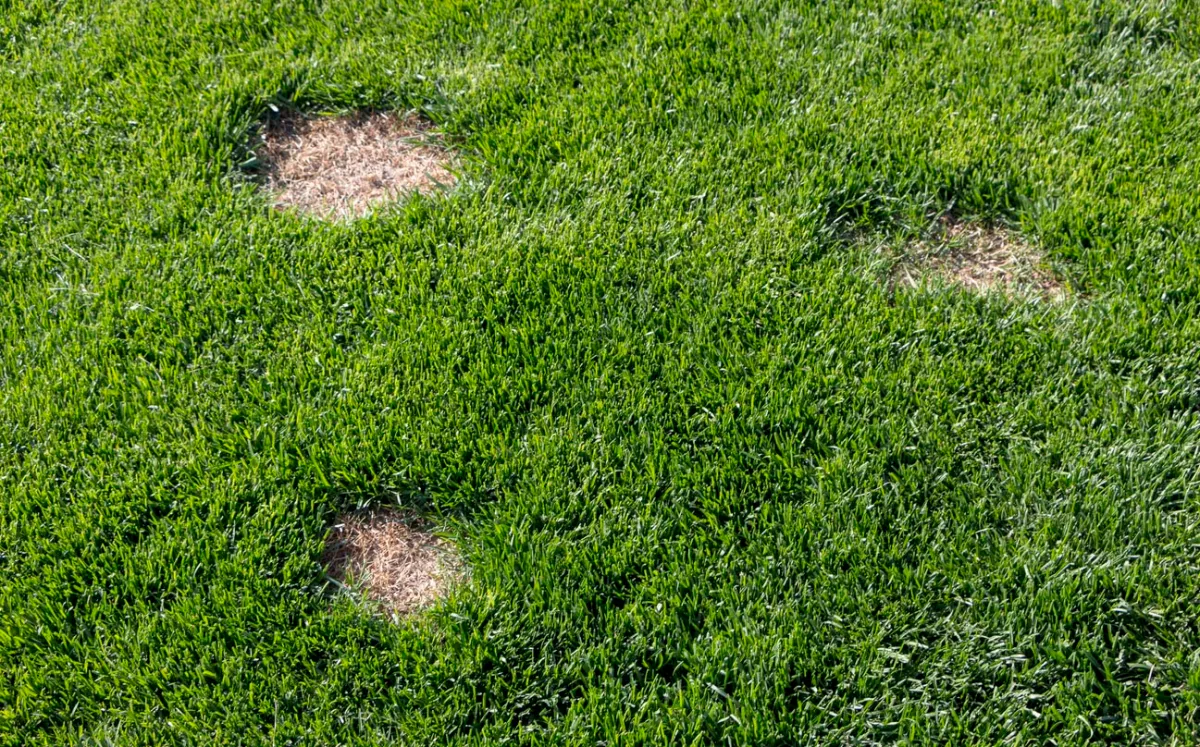
Bare spots are one of the most frustrating lawn problems because they are so visible and because they have a tendency to come back. You patch them. They improve for a season. Then the same spots thin out and go bare again the following year. The cycle repeats because patching a bare spot without understanding what caused it is addressing the symptom rather than the problem — and the problem continues producing the symptom regardless of how many times the symptom is treated.
This guide covers every significant cause of bare spots in Texas lawns what each cause looks like how to distinguish between them and what the right fix is for each — including when a targeted repair is sufficient and when the section needs a more complete renovation approach.
Why the cause matters before the fix
The instinct when a bare spot appears is to put seed on it. That instinct is sometimes right and sometimes wrong depending on what caused the bare spot in the first place. A bare spot caused by a drainage problem that creates chronic waterlogging will produce the same bare spot from the next seeding attempt because the drainage problem is still present. A bare spot caused by shade and the wrong grass type will re-establish temporarily and thin back out within a season because the shade is still there. A bare spot caused by compaction will establish superficially and then fail as shallow roots prove inadequate without the compaction relief that would have allowed deeper penetration.
Seed applied over an unaddressed cause is a temporary fix at best and a wasted investment at worst. The few minutes spent identifying the cause before applying any fix is the difference between a repair that holds and one that has to be repeated again next season.
Cause one: dog urine spots
Dog urine creates bare spots through nitrogen burn — the concentrated nitrogen in pet waste is the same compound that makes fertilizer beneficial in controlled amounts and damaging at the concentrated doses delivered by repeated urination in specific locations. The spots are typically circular or oval tan to brown in color and often surrounded by a ring of darker green grass that received a diluted dose of nitrogen as fertilizer rather than the concentrated burn dose at the center.
Dog urine spots are one of the easiest bare spot causes to identify because the pattern is distinctive — circular isolated spots in locations that correlate with where the dog spends time outdoors. They are also one of the most commonly recurring bare spot causes because the behavior that created them continues after the spot is repaired.
The fix for dog urine bare spots requires both addressing the existing damage and managing the ongoing behavior. Flush the affected area thoroughly with water before reseeding — this dilutes the accumulated soil nitrogen that would otherwise damage new seedlings the same way it damaged the existing grass. Reseed the flushed area with the appropriate grass type and establishment method.
The ongoing management piece is the part most homeowners skip. Designating a specific relief area in a less visible or less turf-dependent section of the yard redirecting the dog to that area and watering any areas where urination occurs within thirty minutes to dilute the nitrogen before it burns are the practices that prevent the cycle from repeating.
For very high-traffic dog areas Bermudagrass with its aggressive lateral spread is the most forgiving turf option because the surrounding grass fills in from the edges even when central spots are repeatedly damaged — reducing the visible impact of ongoing urine activity compared to bunch-type grasses that do not self-repair.
Cause two: compaction in high-traffic zones
High-traffic areas — the path from the back door to the gate the worn strip along the driveway edge the area under a swing set or trampoline — experience foot traffic concentration that compacts the soil faster than the surrounding lawn and creates conditions where grass cannot maintain itself under the combined pressure of physical wear and compaction.
The compaction in these zones creates shallow root systems that cannot sustain the grass through the additional stress of physical wear. The grass thins then disappears as the combined compaction and traffic exceeds what the root system can recover from between uses.
Reseeding a high-traffic compaction bare spot without addressing either the compaction or the traffic concentration produces the same result — temporary establishment followed by progressive re-thinning as the same conditions reassert their effect on the new grass.
The fix requires deciding whether the traffic can be redirected or not. If a stepping stone path flagstone walkway or defined route can redirect foot traffic away from the bare zone reseeding the area after aerating to relieve compaction and protecting it from traffic while it establishes can produce a lasting repair. Hydroseeding the compaction-relieved prepared area produces better establishment than broadcast seeding in the disturbed compacted soil because the slurry delivers seed in protected direct contact rather than leaving it on the surface.
If the traffic cannot be redirected the grass will thin again regardless of how well the reseeding goes. In that case hardscape — stepping stones a defined path a mulched area — is a more durable solution than repeated reseeding of a zone that will continue receiving the traffic that defeats grass establishment.
Cause three: shade from a tree or structure
Shade-caused bare spots follow a predictable pattern — the bare area falls directly under a tree canopy along a north fence line or in the consistent shadow of a structure. The surrounding lawn in better light is healthy. The bare zone corresponds to where direct sun does not reach adequately for the planted grass type.
If the grass in the bare zone is Bermudagrass the cause is almost certainly shade — Bermuda needs six to eight hours of direct sun and thins progressively below that threshold until it fails completely in heavily shaded areas. Reseeding with Bermuda produces the same result — temporary establishment followed by progressive re-thinning as the shade that is always present prevents the grass from maintaining the vigor it needs.
The fix for shade-caused bare spots is a grass type change — not more seed of the same variety. Tall Fescue established in the appropriate fall window produces lasting coverage in the shaded areas where Bermuda keeps failing. The fix is permanent rather than temporary because the grass type now matches the light conditions rather than fighting them season after season.
If the shade is from a tree that can be limbed up to increase light penetration the structural fix of increasing light combined with appropriate grass selection for the remaining shade level produces the best outcome. If the shade cannot be meaningfully reduced appropriate grass selection for the actual light conditions is the only path to a bare spot repair that holds.
Cause four: drainage problems creating chronic wet or dry zones
Drainage problems create two distinct types of bare spots with different underlying causes but the same surface appearance — grass that establishes temporarily and then fails within one to two seasons.
Chronic wet spots — areas that pool standing water after rain events or stay saturated for extended periods — create anaerobic conditions that root systems cannot survive in. Seed germinates in these zones during drier establishment periods and then fails when normal rainfall restores the waterlogging conditions that the drainage problem creates. The spot appears to repair and then goes bare again following wet weather because the drainage problem that caused it was never addressed.
Chronic dry spots — areas that drain too quickly or that receive inadequate irrigation coverage — create the opposite problem. Grass establishes when irrigation maintains adequate moisture but fails during drought periods or when irrigation is reduced because the drainage or coverage problem creates moisture stress that adjacent sections do not experience.
The fix for drainage-caused bare spots requires addressing the drainage problem before reseeding. Grade correction to eliminate low spots that collect standing water. Irrigation system adjustment or augmentation to provide coverage in sections that are consistently dry. Soil amendment to improve moisture retention in fast-draining sections. The drainage fix is what makes the reseeding work — without it the repair is temporary regardless of the seed or establishment method used.
Cause five: pest damage
Grubs chinch bugs armyworms and other lawn pests create bare spots with specific damage patterns that distinguish them from the other causes above. Grub damage produces irregular patches that pull up easily like a loose carpet because the root system has been severed — the grass above looks stressed or dead but lifts away from the soil when tugged because the roots that anchored it are gone. Chinch bug damage creates yellowing patches that expand outward from sunny dry sections of the lawn and do not recover with irrigation. Armyworm damage produces large brown patches that appear rapidly — sometimes overnight — as the voracious caterpillars consume grass blades across significant areas.
Reseeding over active pest damage without treating the infestation produces new seedlings that face the same pest pressure that destroyed the existing grass. The repair fails for the same reason the original grass failed.
The fix requires identifying the specific pest treating it appropriately and allowing the infestation to be resolved before reseeding. After treatment hydroseeding the damaged bare sections in the appropriate seasonal window establishes replacement grass on a surface that is no longer under active pest pressure.
Cause six: disease damage
Fungal diseases including brown patch take-all root rot and others create bare spots with characteristic patterns that differ from other causes — circular or ring-shaped patches a distinctive border coloration between affected and healthy grass or a pattern that expands over time from an initial infection point.
Disease-caused bare spots are less common in the DFW area than in more humid markets but they do occur particularly during periods of weather patterns that favor fungal development — extended wet periods high humidity and warm overnight temperatures.
Reseeding disease-damaged bare spots without addressing the disease promotes fungal activity in the newly seeded area. Fungal diseases in the soil and thatch layer continue affecting new seedlings the same way they affected the existing grass.
The fix requires identifying the specific disease through the damage pattern treating with appropriate fungicide products if the disease is active and allowing adequate time for the treatment to reduce disease pressure before reseeding. Improving drainage and airflow in affected areas — through aeration dethatching and in some cases structural changes that improve air circulation — reduces the conditions that favor disease recurrence.
Cause seven: chemical burn from herbicide or fertilizer
Chemical burns create bare spots with a specific pattern — typically a defined area that corresponds to where a product was applied unevenly at excessive rates or on a day when conditions concentrated the chemical impact. Fertilizer burn spots are often irregular in shape and occur in areas that received an accidental double application near a spreader turn or overlap zone. Herbicide spots may be more defined particularly if a non-selective product like glyphosate contacted the lawn.
Chemical burn spots in soil with no ongoing pest disease or structural problem are among the most straightforward bare spot repairs because the cause is historical rather than ongoing. Once the soil chemistry normalizes — which typically happens within several weeks as irrigation and rainfall dilute and flush the chemical residue — reseeding produces establishment without the complicating factors that other bare spot causes create.
The fix is straightforward. Flush the affected area with deep irrigation over several days to accelerate chemical dilution. Then reseed with appropriate timing and method for the grass type. Hydroseeding chemical burn areas produces the reliable germination that the prepared cleared surface supports — seed in protected contact with soil that is recovering its normal chemistry.
When targeted repair is enough versus when to renovate the full section
After identifying the cause the scale of the repair determines whether a targeted bare spot fix is appropriate or whether the full affected section warrants a more complete renovation approach.
Targeted repair works when the bare spot is isolated surrounded by healthy grass that provides competitive coverage during establishment and when the cause has been addressed so that the repair environment is different from the original failure environment. Small dog urine spots flushed and reseeded compaction spots in a redirected traffic zone pest-damaged patches after treatment — these are situations where a targeted repair on a clearly defined bare area produces lasting results.
Full section renovation makes more sense when bare spots are numerous and distributed across a significant area when the surrounding grass is itself thin and struggling rather than healthy and competitive or when the cause — compaction drainage shade — affects a zone broad enough that spot-by-spot repair is less efficient than addressing the full zone at once.
Hydroseeding both targeted repairs and full section renovations produces better germination and coverage consistency than broadcast seeding in either application — the protective slurry layer is equally valuable on a small repair patch as on a large renovation area.
The bottom line on fixing bare spots for good
Bare spots come back when the cause that produced them is still present when the repair is made. They stay fixed when the cause is identified corrected and the repair is made into conditions that are genuinely different from the ones that produced the failure.
The additional step of identifying the cause before reseeding is what separates the bare spot repair that holds from the one that has to be repeated every season.

Have bare spots in your lawn that keep coming back no matter what you do?
Fox Hydroseeding LLC assesses every property personally and identifies what is driving the bare spots before recommending a repair approach. We address the cause not just the symptom.
Get Your Free Estimate → foxhydroseeding.com/contact
Bring Your Property to Life With Expert Hydroseeding
Find Us On


Email address

Phone Number

