


Bare dirt yard — where to start and why hydroseeding is the right first move
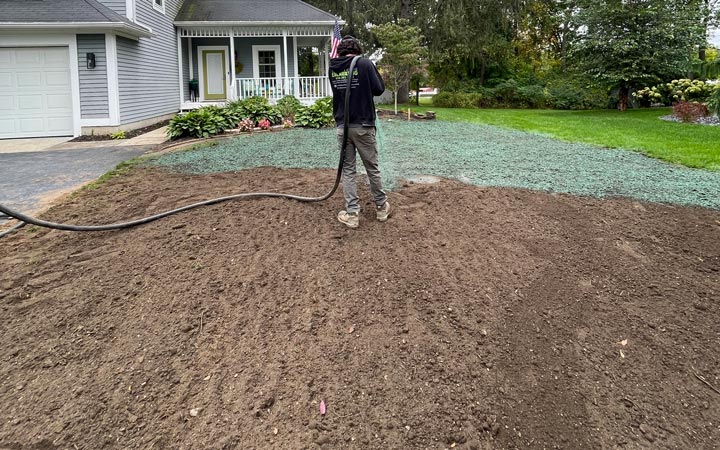
You have a bare dirt yard and you are not sure where to start. Maybe it is a brand new construction lot that the builder left with nothing but rough grade and exposed subsoil. Maybe a renovation project stripped the existing lawn and you are starting over. Maybe the yard has been bare so long that you have just been living with it. Whatever brought you to this point the situation is the same — bare dirt and a lawn that needs to happen.
The good news is that a bare dirt yard is actually the best starting point for hydroseeding. There is no existing lawn to work around no thatch to penetrate and no competing vegetation fighting the new seed. A properly prepared bare surface gives hydroseeding the cleanest possible canvas to work on and produces the most consistent germination and coverage of any hydroseeding scenario.
This guide walks you through everything you need to do from the moment you are standing in your bare yard to the day you mow a fully established lawn — in the right order so nothing is missed and nothing has to be redone.
Start by understanding what you are working with
Before calling any contractor or making any decisions about seed type mulch product or timing spend thirty minutes actually assessing your yard. The information you gather in that walkthrough shapes every decision that follows and positions you to have a much more productive conversation when the estimate visit happens.
Walk the full area and assess the soil condition. How hard is the surface underfoot. On a new construction lot in the DFW area the soil is almost always severely compacted — years of equipment traffic and construction activity have compressed the clay subsoil to the point where pushing a screwdriver into the surface meets significant resistance within a few inches. That compaction needs to be addressed before any seeding method produces reliable results. On an older property that was stripped for renovation the soil may be in better condition depending on what was done before and after the stripping.
Look at the current grade and how water would move across the surface. Does the yard slope away from the house consistently or are there sections that would collect and hold water after rain. Low spots that pool water create germination and establishment problems during the irrigation-intensive period after hydroseeding — and they are much easier to address before a lawn is established than after.
Check the sun exposure across different sections of the yard. Full sun across the entire area simplifies the grass selection decision. Significant shade under trees along the north fence or on the north side of the house changes what grass is appropriate for those sections and may change the timing approach.
Note what debris is in the surface — rocks concrete chunks wire or other construction material mixed into the top layer on a new build lot. Every piece of debris you can identify before the contractor arrives is a piece you can remove or point out during the estimate conversation.
Understand the timeline before committing to anything
Bare dirt yards are urgent-feeling situations — the yard looks unfinished and the desire to fix it quickly is understandable. But rushing into a hydroseeding project without understanding the timeline implications is one of the most common ways homeowners end up with a result that disappoints them.
Hydroseeding takes three to four weeks from application to a clearly established lawn under normal conditions. First sprouts appear within five to ten days. Solid coverage develops through weeks two to four. The first mow happens around weeks four to five. Full establishment with mature root depth happens by weeks six to eight.
That timeline starts from the application date — not from when you call the contractor. The estimate visit site preparation and scheduling all happen before the application date. Depending on the contractor's calendar and the amount of site preparation your bare yard needs the time from first call to application might be two to four weeks itself.
The time of year you are starting the project affects both the timing options available and which grass type makes sense. Bermudagrass applications need soil temperatures above 65 degrees Fahrenheit — available from late March through August in the DFW area. Tall Fescue applications need cooler soil temperatures — the October through mid-November window in North Texas. Starting a bare yard project in September with Bermuda in mind means either rushing into a window that is closing or waiting until the following spring. Starting with Fescue in mind opens a window that is just beginning. Understanding these timing constraints before committing to a specific approach saves the frustration of planning a project that the season cannot support.
Site preparation for a bare dirt yard — what needs to happen first
Site preparation is where the outcome of your hydroseeding project is largely determined. A well-prepared bare dirt yard produces dramatically better hydroseeding results than a poorly prepared one regardless of how good the application is. On a new construction lot in the DFW area this preparation is usually more extensive than most homeowners anticipate.
Grading and leveling creates the smooth even surface that allows even slurry application and prevents the low-spot drainage problems that affect germination during the watering-intensive establishment period. If your bare yard has significant uneven terrain low spots or a grade that directs water toward the house foundation rather than away from it correcting those issues before hydroseeding saves you from dealing with them on an established lawn where correction is more disruptive and more expensive.
Compaction relief for new construction lots and severely compacted existing yards is one of the highest-value preparation investments you can make. Mechanical loosening through tilling ripping or skid steer work breaks up the compacted clay layer that prevents root penetration after germination. Without this step the hydroseeded lawn establishes at the surface but the roots stay shallow — producing a lawn that looks fine in the first weeks and struggles progressively as shallow roots prove inadequate for the demands of a Texas summer.
Debris removal from the surface layer prevents the bare spots and uneven germination that construction material mixed into the seed bed creates. Walk the full area and remove every piece of construction debris you can find before the estimate visit. What you cannot remove or cannot see your contractor will identify during the walkthrough.
Topsoil assessment determines whether the native surface soil is adequate for establishment or whether quality topsoil addition before hydroseeding would meaningfully improve germination and early root development. On new construction lots where equipment activity has buried or stripped the original topsoil and left compacted subsoil at the surface topsoil addition is often the difference between a lawn that establishes well in year one and a lawn that struggles until the root system develops depth sufficient to compensate for the poor surface medium.
Choosing the right grass for your bare yard
Grass selection for a bare dirt yard should account for your specific sun conditions the time of year you are starting the project and the intended use of the space.
For full-sun bare yards in the DFW area during the spring through summer window Bermudagrass is the right choice for the vast majority of homeowners. It establishes aggressively in warm soil produces dense coverage that handles foot traffic and goes dormant in winter rather than dying — making the establishment investment permanent. The combination of fast establishment and durability through Texas summers makes it the default answer for bare yards in full-sun conditions.
For bare yards with significant shade — under tree canopies along north fence lines in the shadow of structures — Tall Fescue hydroseeded in fall is the appropriate choice for the shaded sections. Applying Bermuda in shaded areas of a bare yard produces thin struggling coverage that requires reseeding anyway — the right approach is matching the grass to the light conditions from the start.
For bare yards with mixed sun and shade conditions the practical approach is planning for Bermuda in the sunny sections during spring or summer and Fescue in the shaded sections during fall — two separate applications in their respective optimal windows rather than a single application that compromises both.
What the estimate visit should accomplish
The estimate visit for a bare dirt yard hydroseeding project should accomplish more than just arriving at a price. A thorough estimate visit on a bare yard is a property assessment conversation that covers everything your contractor needs to know to give you an accurate quote and a realistic expectation of what the project produces.
The contractor should walk the full yard — not just the visible front section or a representative area but the entire space to be seeded. They should note the soil condition grade drainage sun exposure and any site-specific challenges that affect the approach. They should identify what site preparation is needed before the application and be clear about whether that preparation is included in the estimate price or quoted separately.
The estimate should cover seed type and why it is the right choice for your conditions mulch product and whether standard hydromulch or BFM is appropriate for your site the site preparation scope and cost timing recommendation based on your grass selection and the current season and a realistic germination and establishment timeline so your expectations match what the biology of the project can deliver.
Aftercare expectations should be part of the estimate conversation even if they are not written into the estimate document itself. Know the watering schedule before the application day not after. Know how long to keep foot traffic off the lawn know when to expect first sprouts and know what to contact the contractor about if something looks wrong during establishment.
The first two weeks after application — what you need to commit to
The most important variable in whether a bare dirt yard hydroseeding application produces the result you are paying for is what you do in the two weeks after the contractor leaves. The application creates the conditions for successful establishment. Your watering management in those two weeks determines whether those conditions are maintained long enough for germination to complete and the young lawn to develop past its most fragile phase.
Two to three watering sessions per day during the first fourteen days. Light even sessions that maintain consistent surface moisture without saturation. Early morning and early evening sessions with a midday session added during hot or windy days in Texas summer conditions. The schedule is not optional — it is the single biggest factor in your germination result.
No foot traffic on the hydroseeded area during this window. No pets on the lawn during this window. The seed mat is at its most fragile in the first two weeks and physical disturbance during germination creates bare spots that are visible for weeks after the disturbance.
Watch the surface condition between sessions. If the mulch is cracking pulling back from the soil or noticeably lighter in color than immediately after application it is drying out faster than your current schedule is replacing. Add sessions or extend session duration until you find the frequency that keeps the surface consistently moist through the hottest part of the day.
What success looks like on a bare dirt yard
A bare dirt yard that was properly prepared and properly hydroseeded at the right time of year with the right grass produces a visible transformation over four to six weeks that is one of the most satisfying home improvement outcomes available at the price point.
Week one — bare dirt replaced by uniform green mulch mat first scattered sprouts beginning to emerge by day five to seven.
Week two — germination spreading across the full area thin grass coverage visible from a normal viewing distance mulch beginning to fade as the fiber biodegrades.
Week three — clearly establishing lawn visible from the street or driveway grass thickening across the full area bare dirt no longer the dominant visual impression of the yard.
Week four — solid coverage approaching the first mow milestone lawn clearly established and continuing to fill in.
Week five and beyond — first mow completed full establishment developing bare dirt a memory rather than the current reality of the yard.
The transformation from bare dirt to established lawn in five to six weeks at the cost of a quality hydroseeding application is one of the best investments a Texas homeowner with a bare yard can make. Getting the preparation right the timing right and the watering commitment right through the establishment window is all it takes to get there.

Have a bare dirt yard and ready to get started?
Fox Hydroseeding LLC works with bare yard projects across the DFW area and personally walks every property before making a preparation and seed recommendation. We tell you exactly what your yard needs before any application begins.
Get Your Free Estimate → foxhydroseeding.com/contact
Bring Your Property to Life With Expert Hydroseeding
Find Us On


Email address

Phone Number

